7 hr
Hermanus Whale Watching Boat Excursion from Cape Town
- Expert local guide
- Small group
- Skip-the-line access
- Free cancellation
Whale Watching Cape Town Prices — Hermanus Boat Tours & Packages
Southern right whales at New Harbour, operator rates compared
Compare fares, pick the fit — all bookings are mobile-voucher and eligible for free cancellation where shown.
7 hr
24 hr
11 hr
Choosing between land-based viewing and sea excursions is essential when comparing whale watching cape town prices for your Hermanus trip. This matrix helps you evaluate the best whale watching cape town prices tickets to suit your schedule and preferred marine experience.
| Land-Based Viewing Free Access |
Top pick Boat-Based Tour Scheduled Departure |
|
|---|---|---|
| Access method | Public cliff path | Boat excursion from New Harbour |
| Wait time | None / Flexible | Advance booking recommended |
| Duration | Unlimited | 1.5 to 2.5 hours |
| Included areas | 12km cliff path | Walker Bay open waters |
| Opening hours | 07:00–18:00 daily | 07:00–10:00 (best window) |
| Best for | Budget and flexibility | Close marine encounters |
| See tickets & prices |
Verdict: Opt for the cliff path if you prioritize flexible, self-guided exploration, or select a boat tour to secure close-up sightings of Southern Right whales for your whale watching cape town prices tour.
Worth it for close encounters, free alternative exists
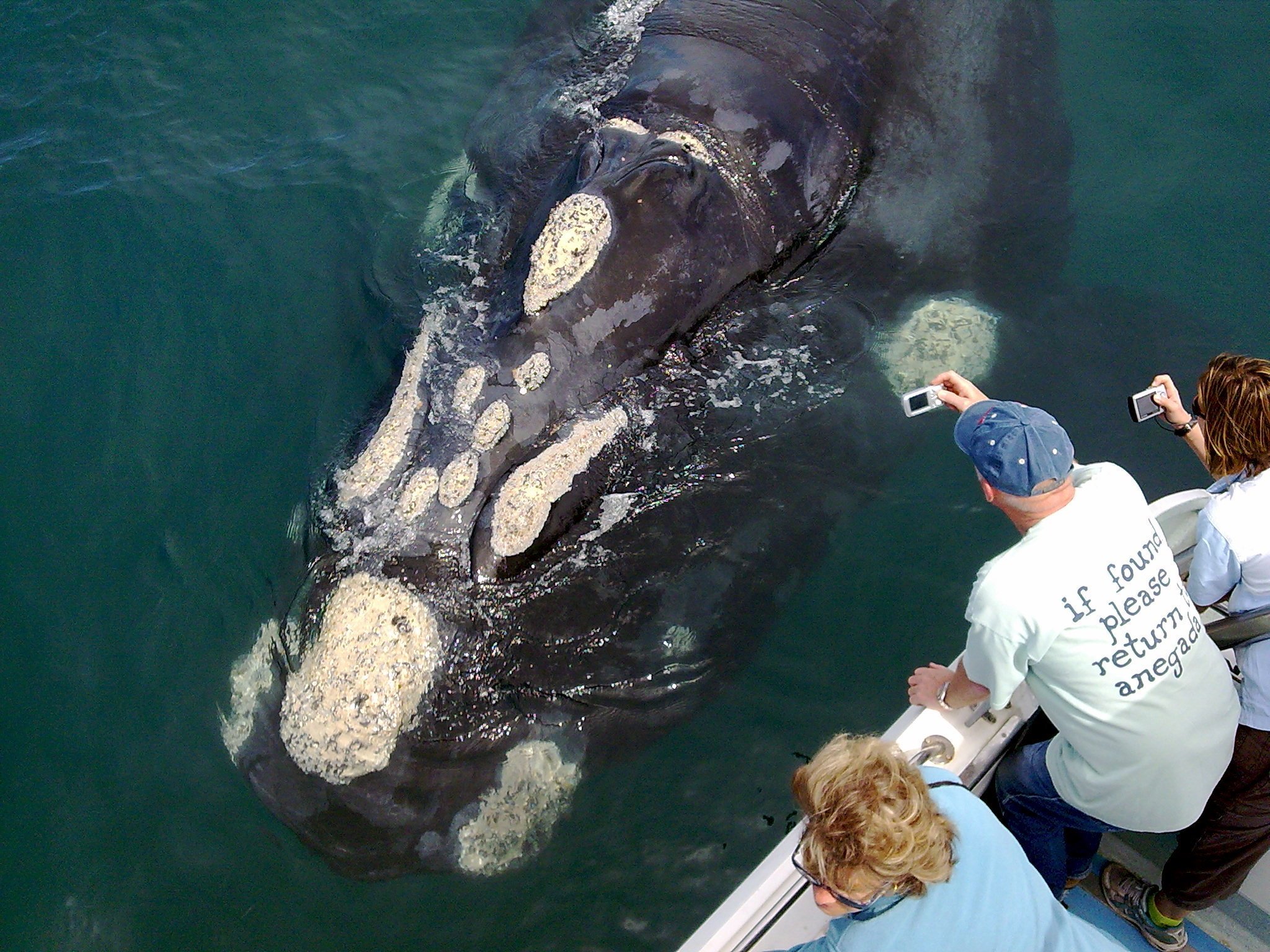
Hermanus offers a rare dual value proposition: world-class land-based whale watching from cliff paths costs nothing, while whale watching cape town prices for boat tours start around R1,200–R1,800 for dedicated excursions and R1,600–R2,400 for full-day packages that bundle penguin colonies or Cape Agulhas. The free shore experience along the coastal footpath delivers genuine Southern Right Whale sightings during calving season (June–November) without spending a cent—locals routinely spot breaching whales from Walker Bay clifftops. Paid boat tours justify their cost by closing the gap to 50 meters, revealing barnacle patterns and underwater fluke movements impossible to see from land. Full-day whale watching cape town prices tours add logistical convenience for travelers without rental cars, packaging transport, guide commentary, and penguin stops into a single booking. The value math tilts toward boat excursions if you want proximity and photography opportunities, but budget travelers get legitimate whale encounters for free—a combination almost no other global whale destination offers.
Bottom line: Pay for proximity if you want frame-filling whale photography; otherwise Hermanus delivers rare free access to one of the planet's best cetacean spectacles.
They complement each other; most visitors who do both call the boat-based whale watching cape town prices tour the more thrilling, immersive encounter.
|
Top pick Hermanus Land-Based |
Boat-Based Tours | |
|---|---|---|
| Viewpoint | Cliff path (shore) | Water-level (vessel) |
| Cost | 0 ZAR | R1,580–R1,800 (per adult) |
| Duration | Unlimited | 1.5–3 hours |
| Perspective | Panoramic landscape | Up-close proximity |
| Mobility | Free walking | Fixed vessel route |
| Best For | Flexibility & photos | Close-range encounters |
| Booking | Not required | Essential (in advance) |
| Seasonality | June–November | June–November |
| See tickets & prices |
Verdict: Choose land-based viewing for total freedom and panoramic scenery, but opt for one of the whale watching cape town prices tickets if you want a guaranteed close-up perspective of the marine life.
Hand-picked experiences loved by thousands of travelers
10 hours
Free Cancellation
Spot Southern Right whales from clifftops and meet African penguins on this coastal adventure from Cape Town
10 hours
Free Cancellation
Journey to Africa's southernmost point, witness ocean giants, and meet charismatic penguins on this coastal adventure
1 day
Free Cancellation
Small-group coastal expedition to witness whales from premium viewpoints along Hermanus' stunning shoreline
8 hours
Free Cancellation
Full-day coastal adventure with marine wildlife encounters and optional penguin colony visit
9 hours
Free Cancellation
Full-day coastal adventure combining marine wildlife encounters, penguin viewing, and vineyard tasting
10 hours
Free Cancellation
Discover Southern Right Whales and African Penguins on this exclusive coastal journey from Cape Town
Check-in and safety briefing at the dock
Boarding the vessel for whale watching cape town prices tours
Search for Southern Right Whales and marine biodiversity
Disembarking and equipment return
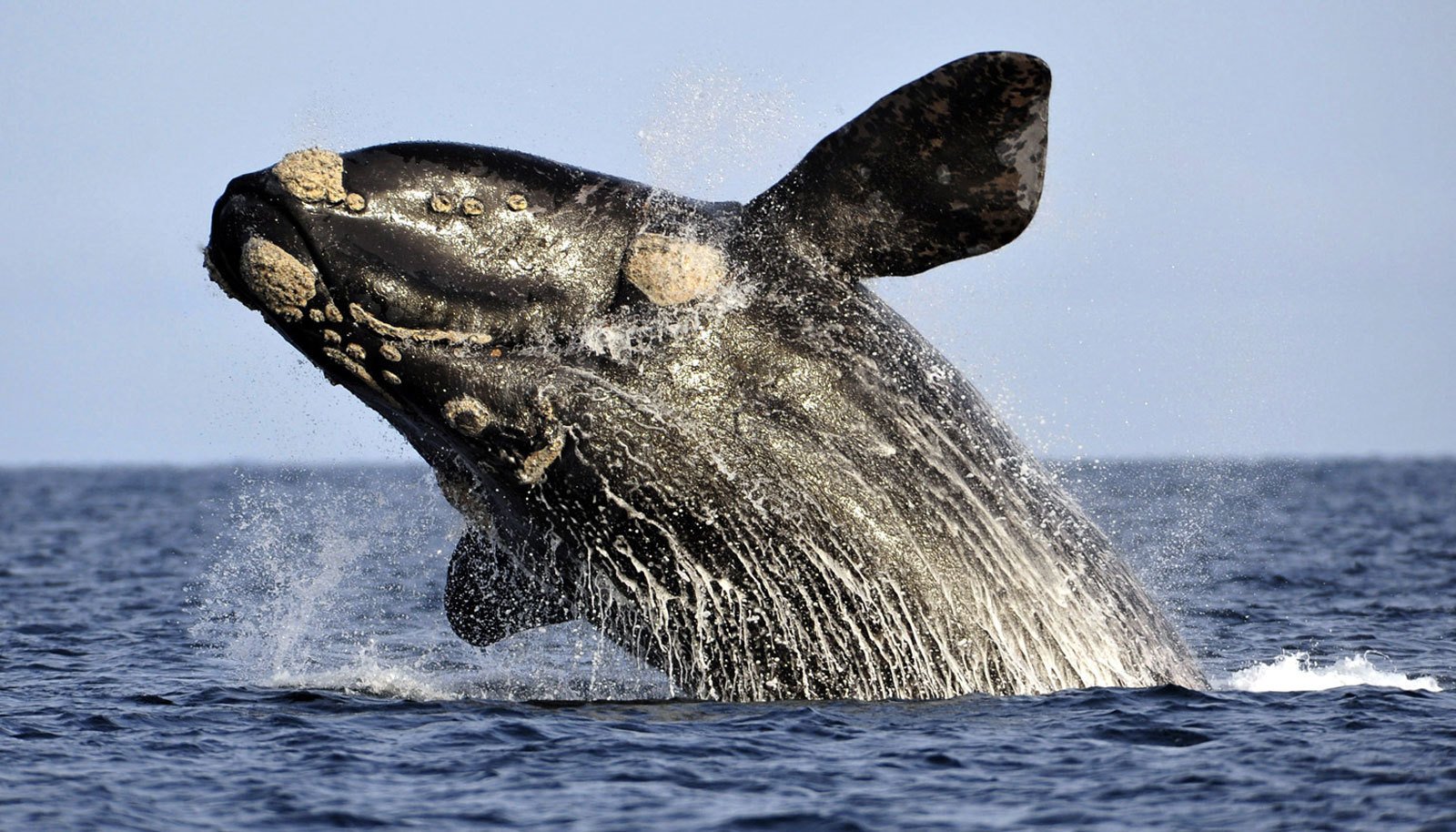
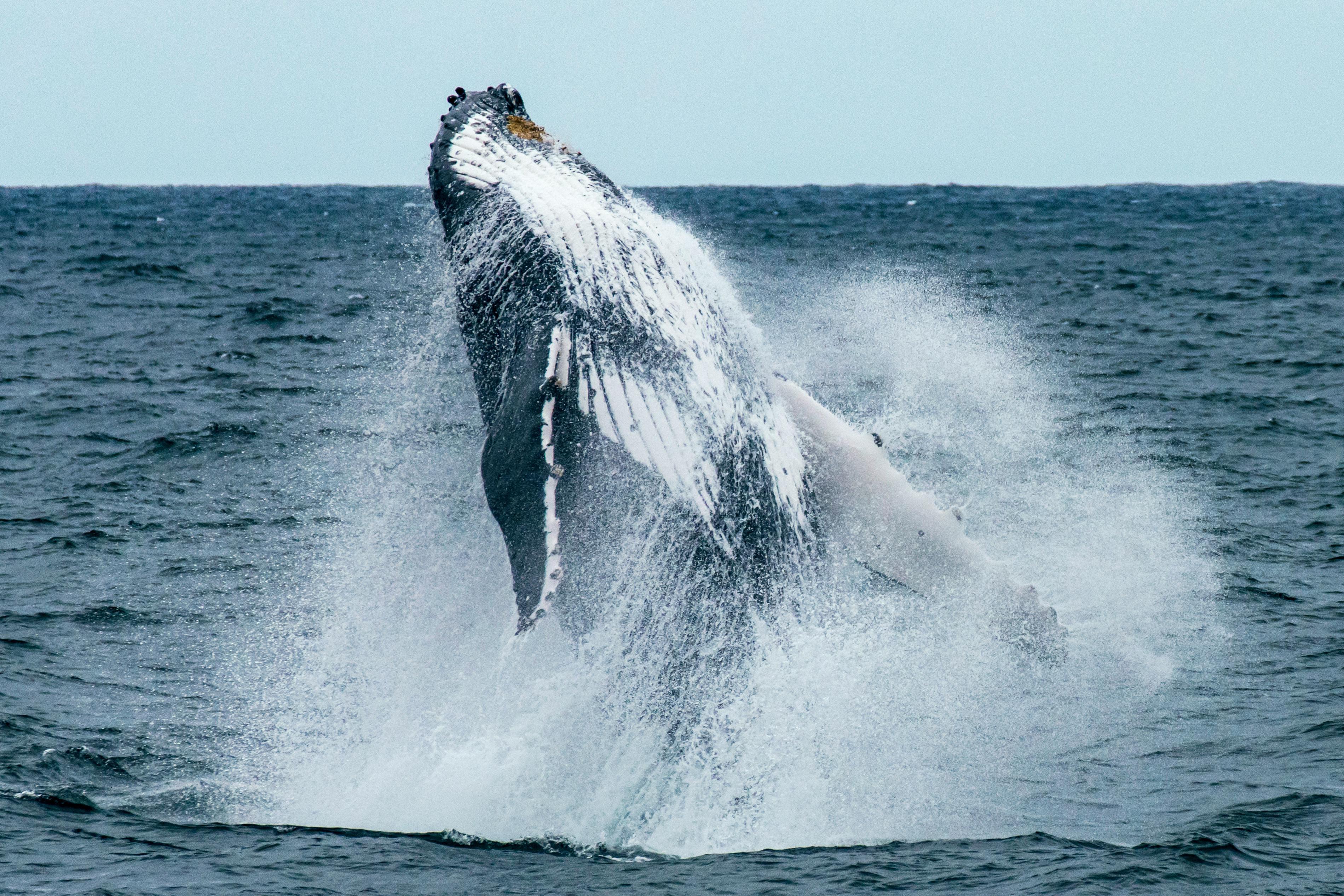
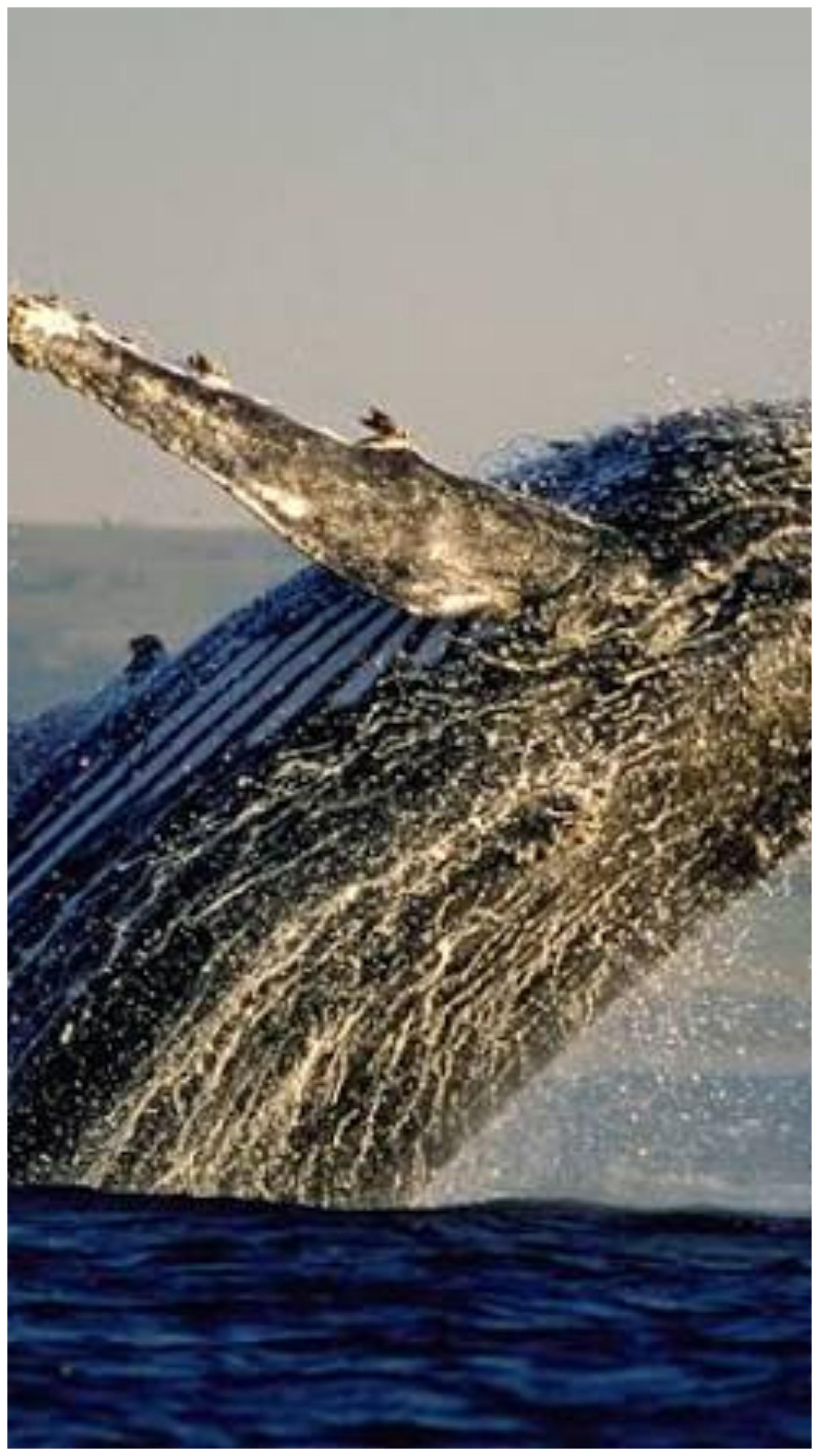
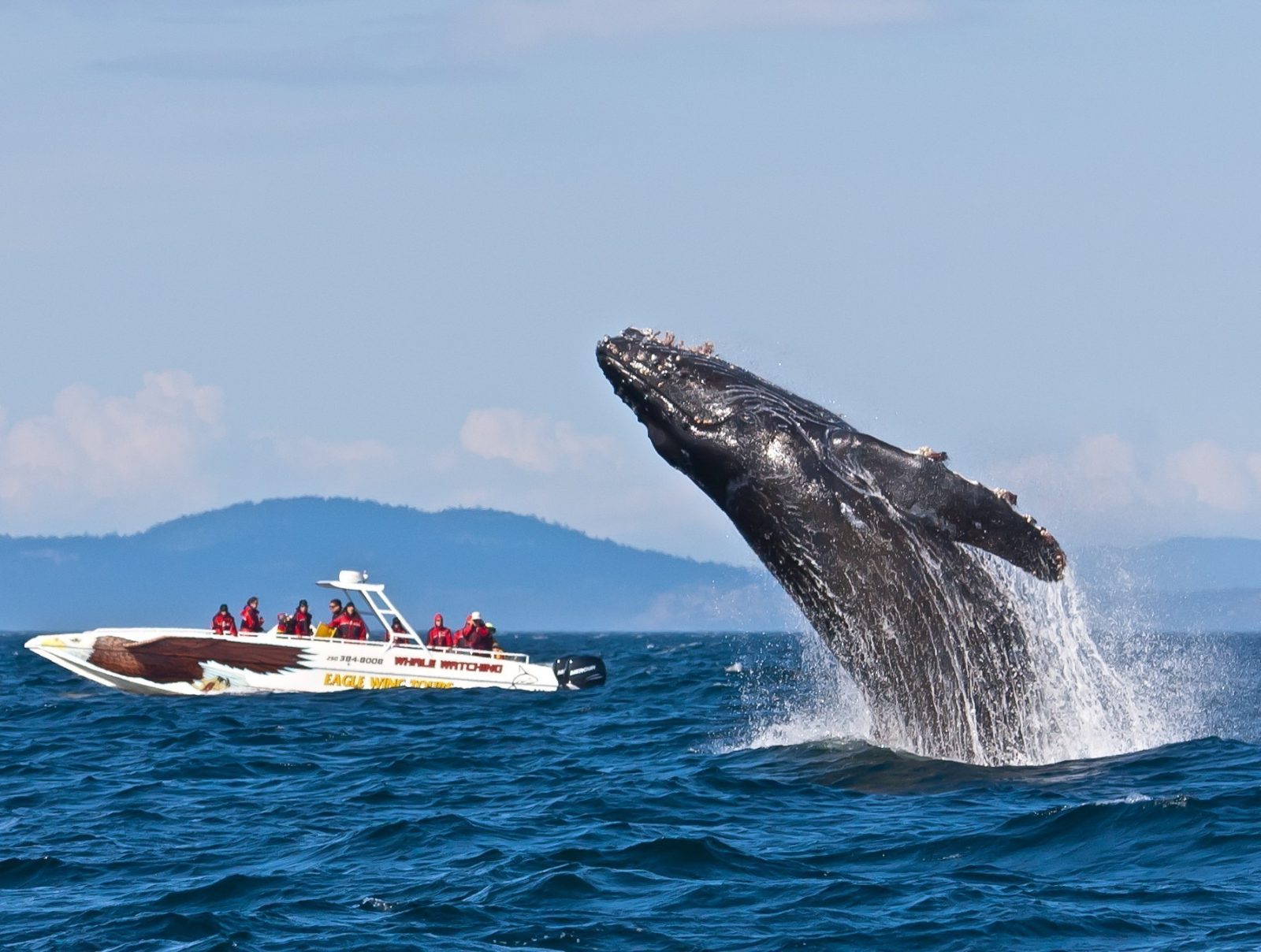
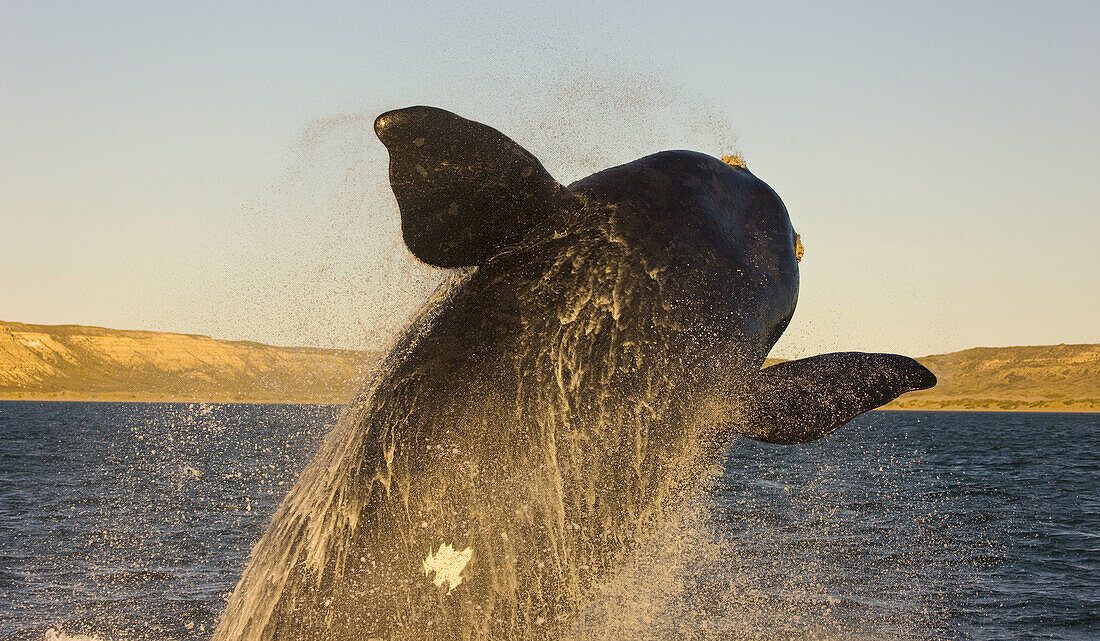
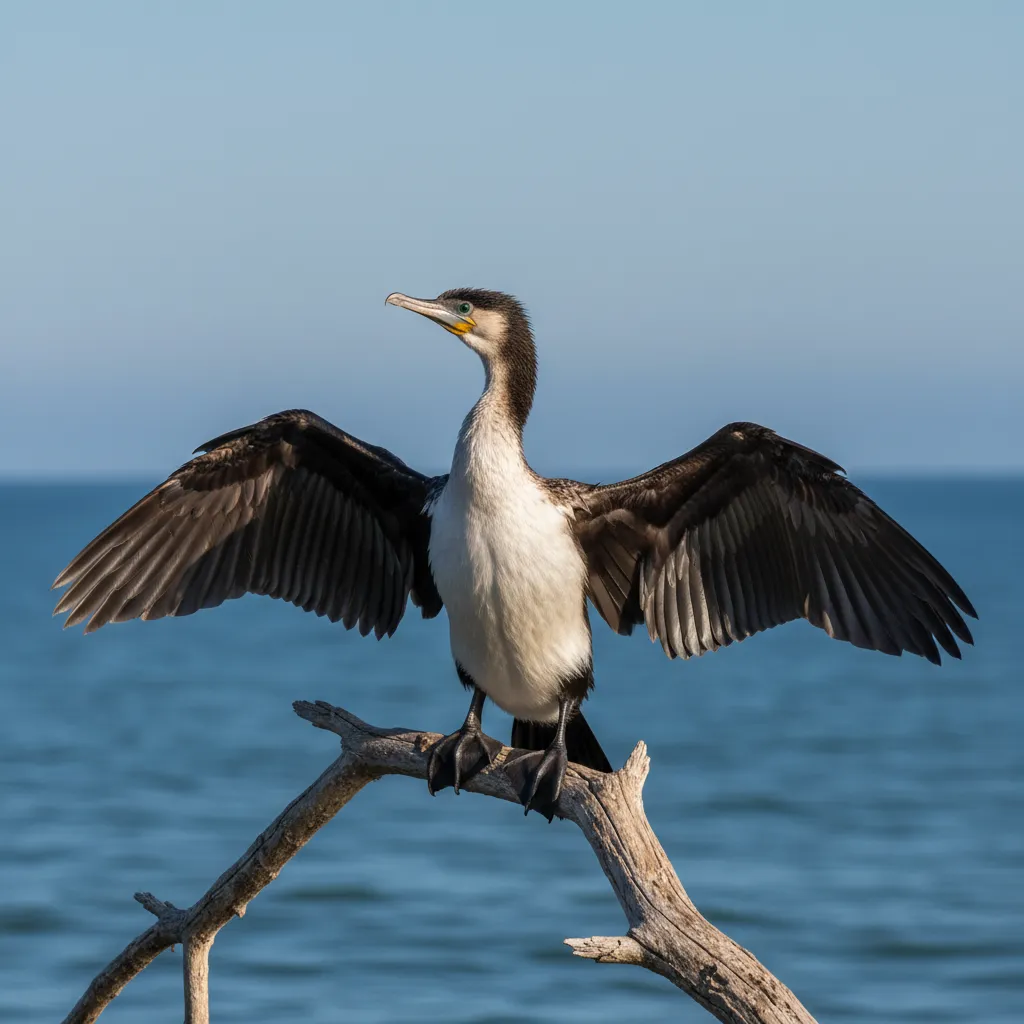
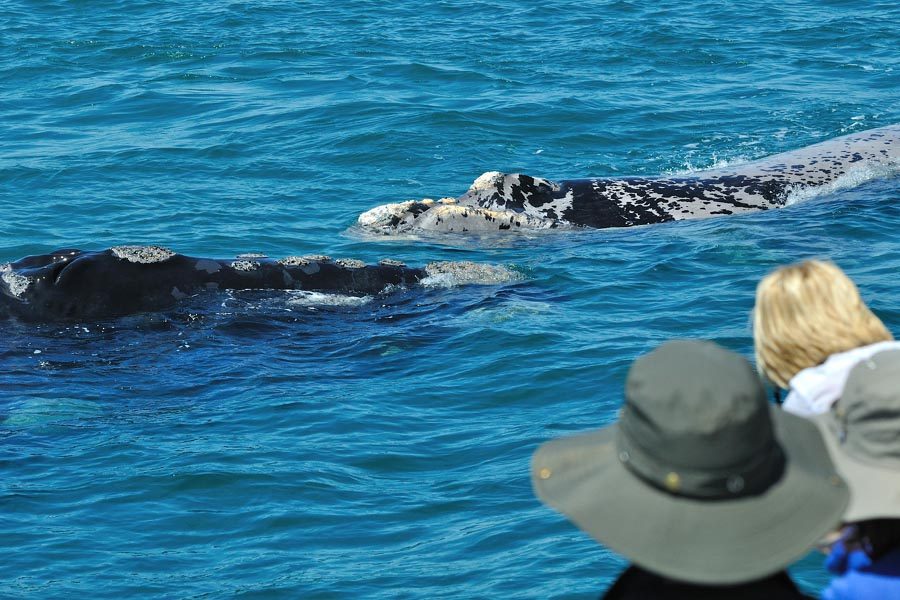
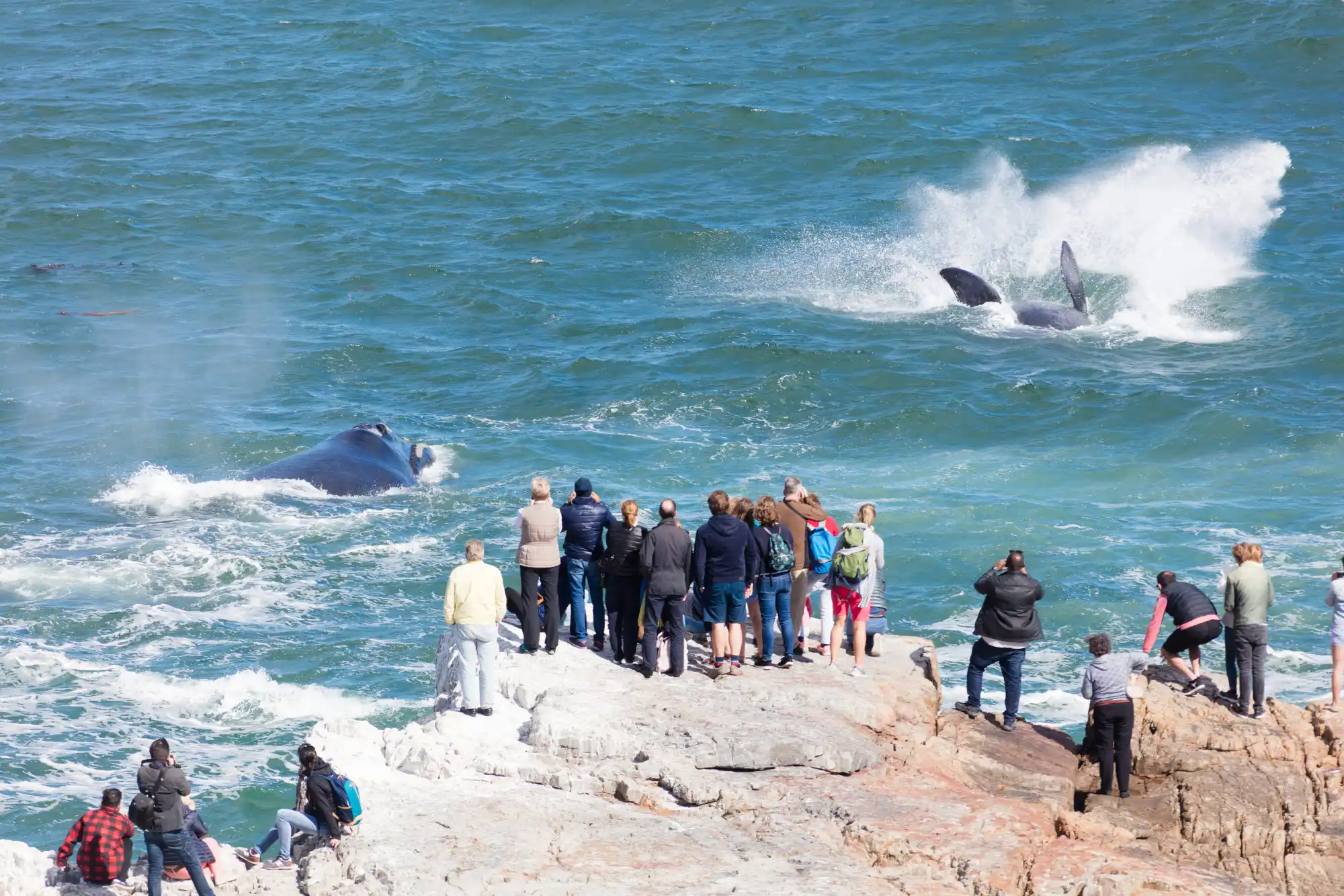
These massive mammals are frequently seen breaching near boats in the bay, often just meters away from onlookers. Seeing them in their natural habitat is a primary draw for coastal tours.
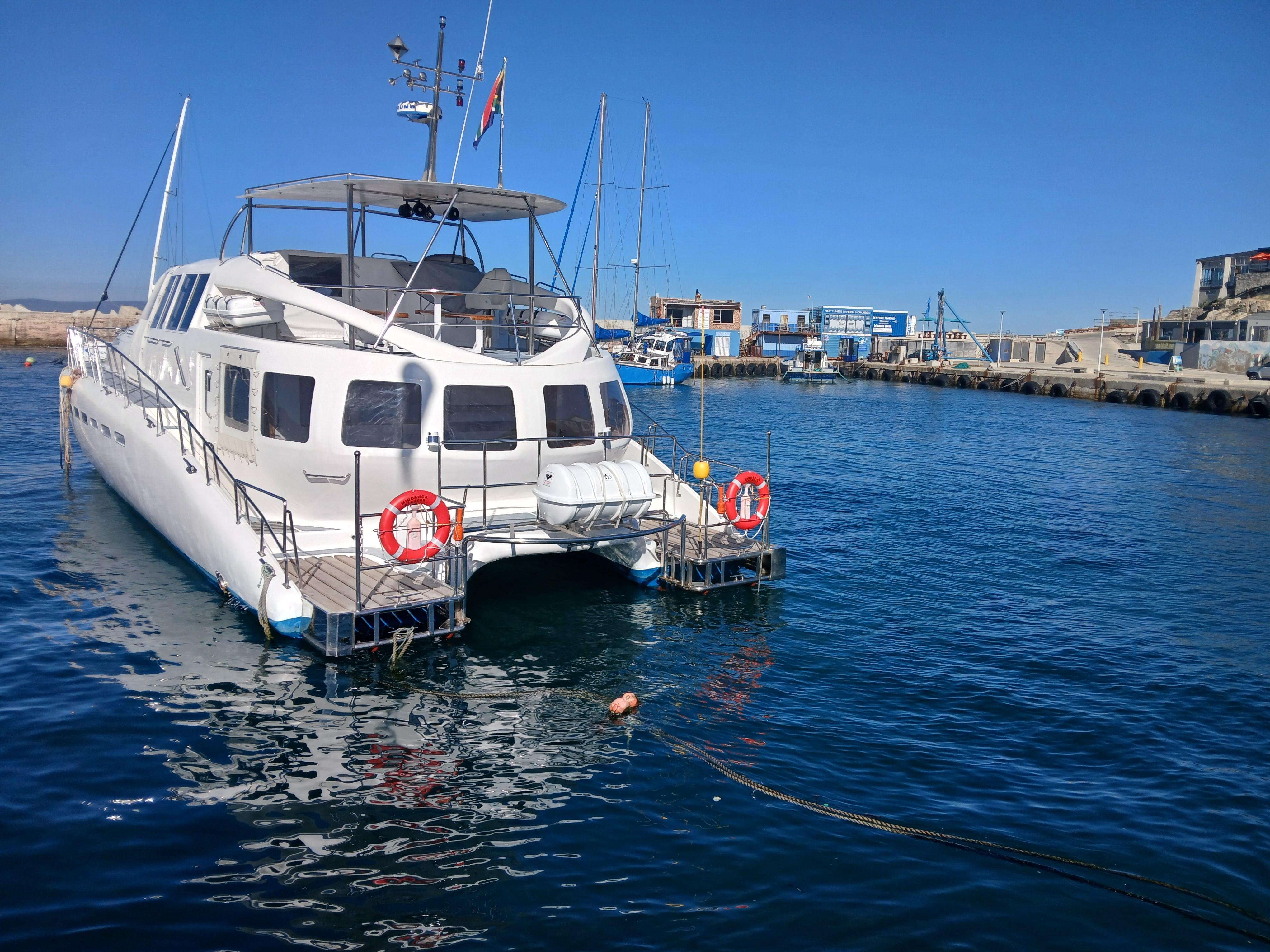
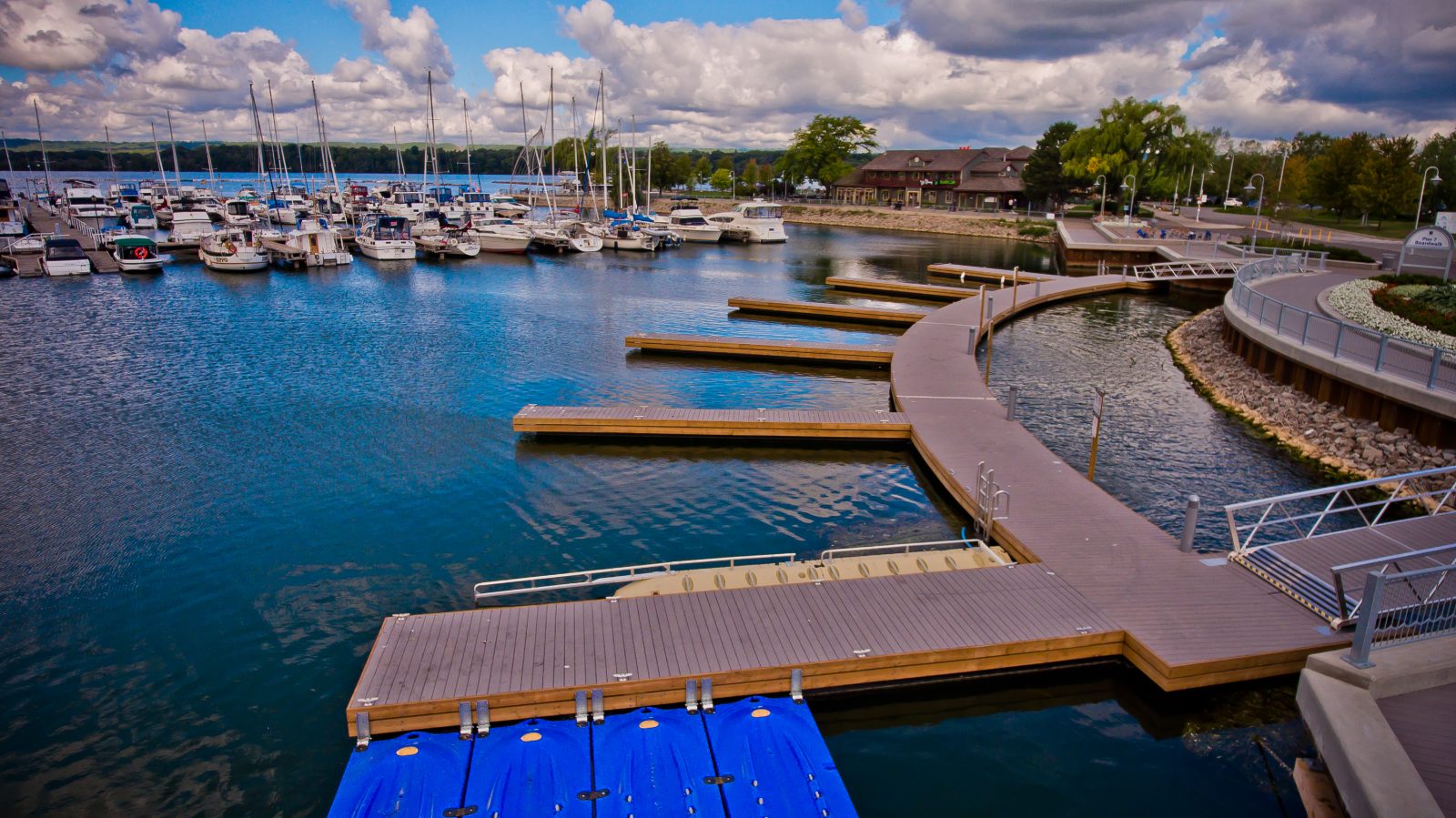
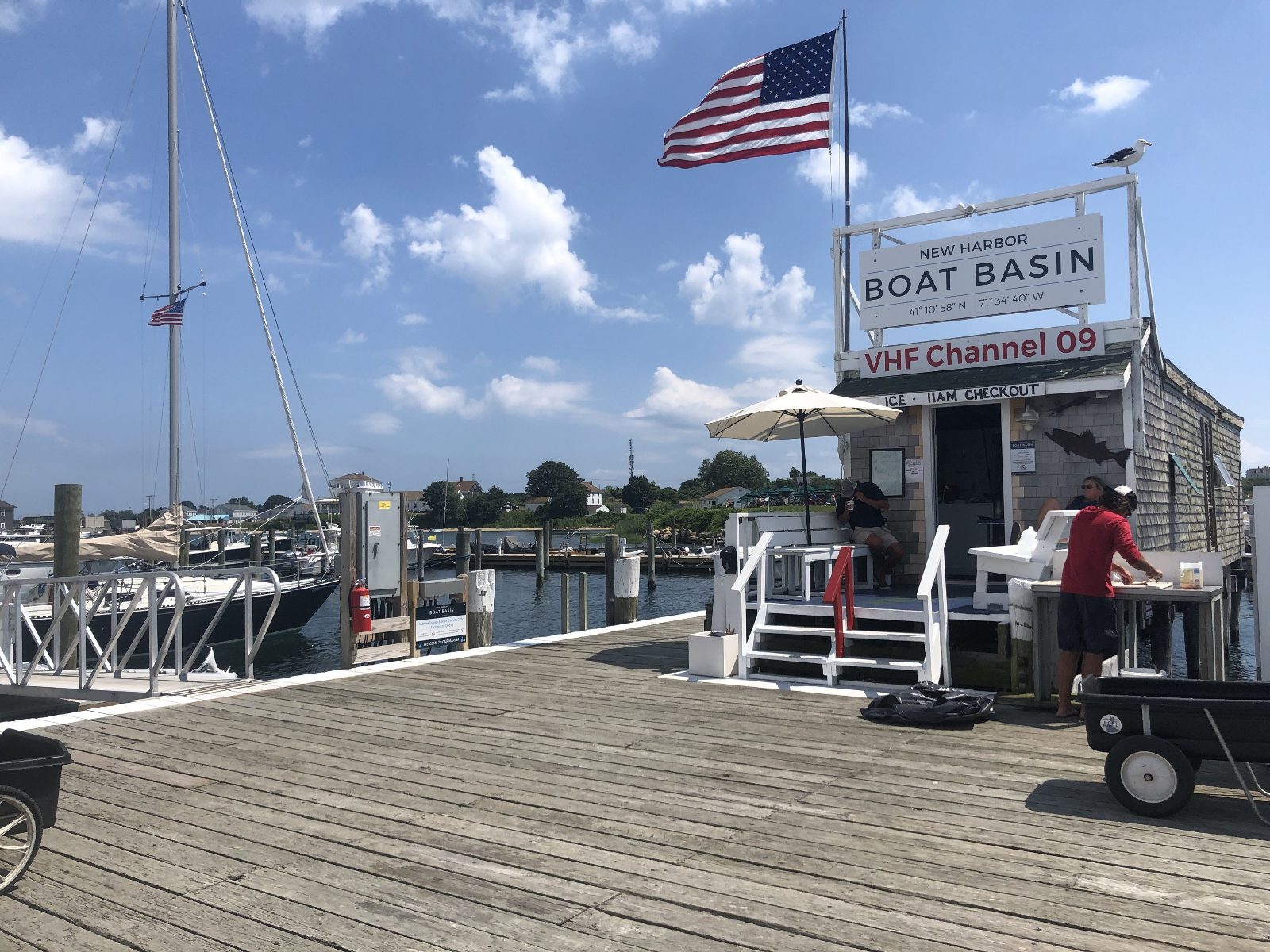
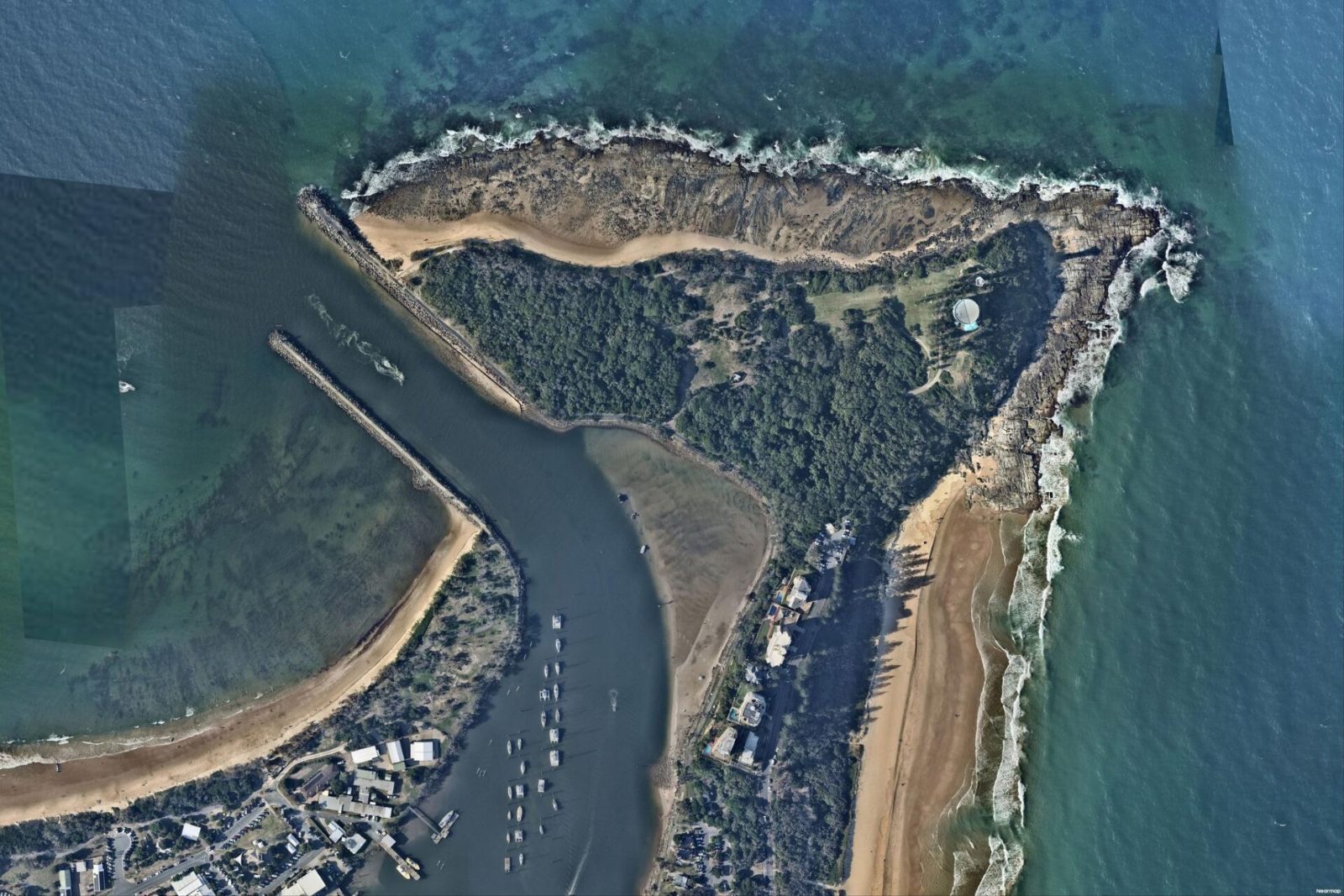
This active dock serves as the central hub for all maritime operations and whale watching cape town prices departures. It provides a unique look at the working life of the local fishing industry.
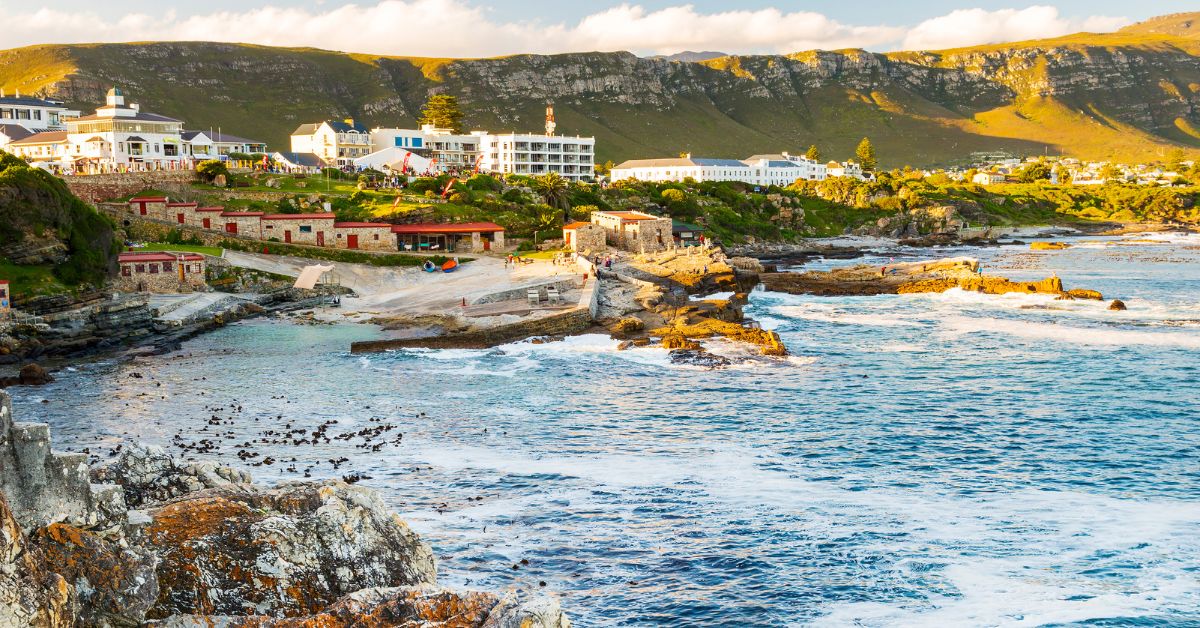
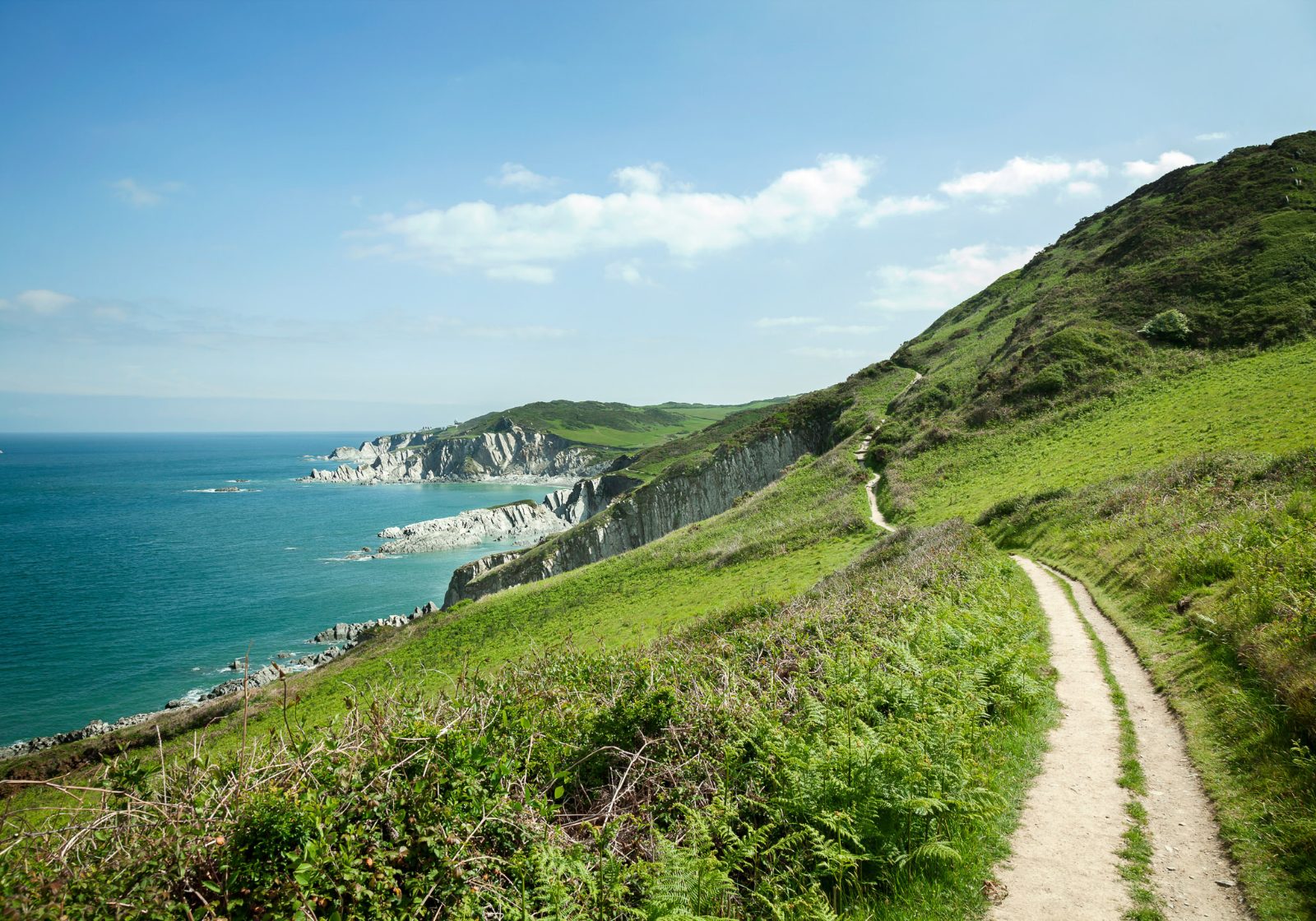
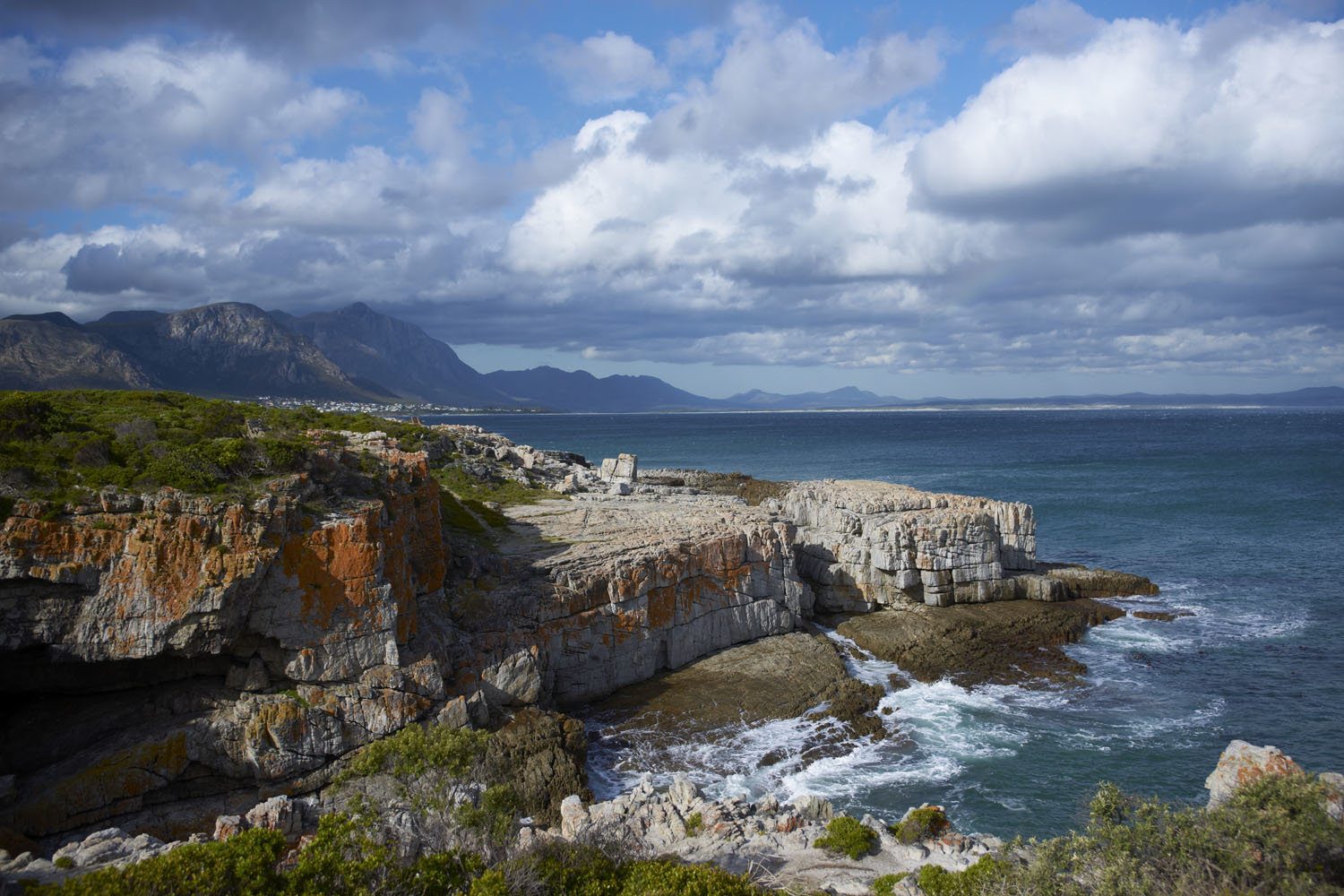
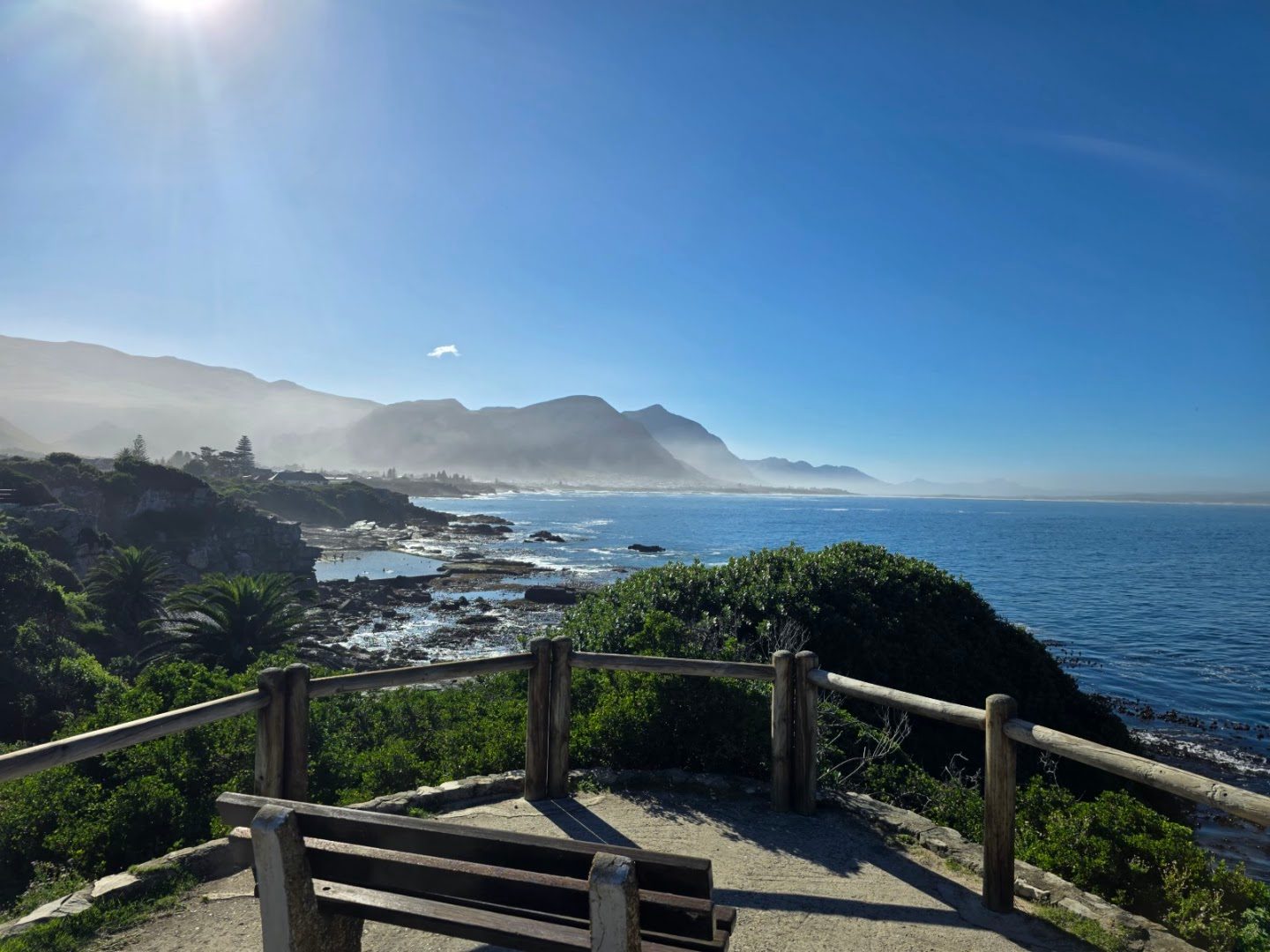
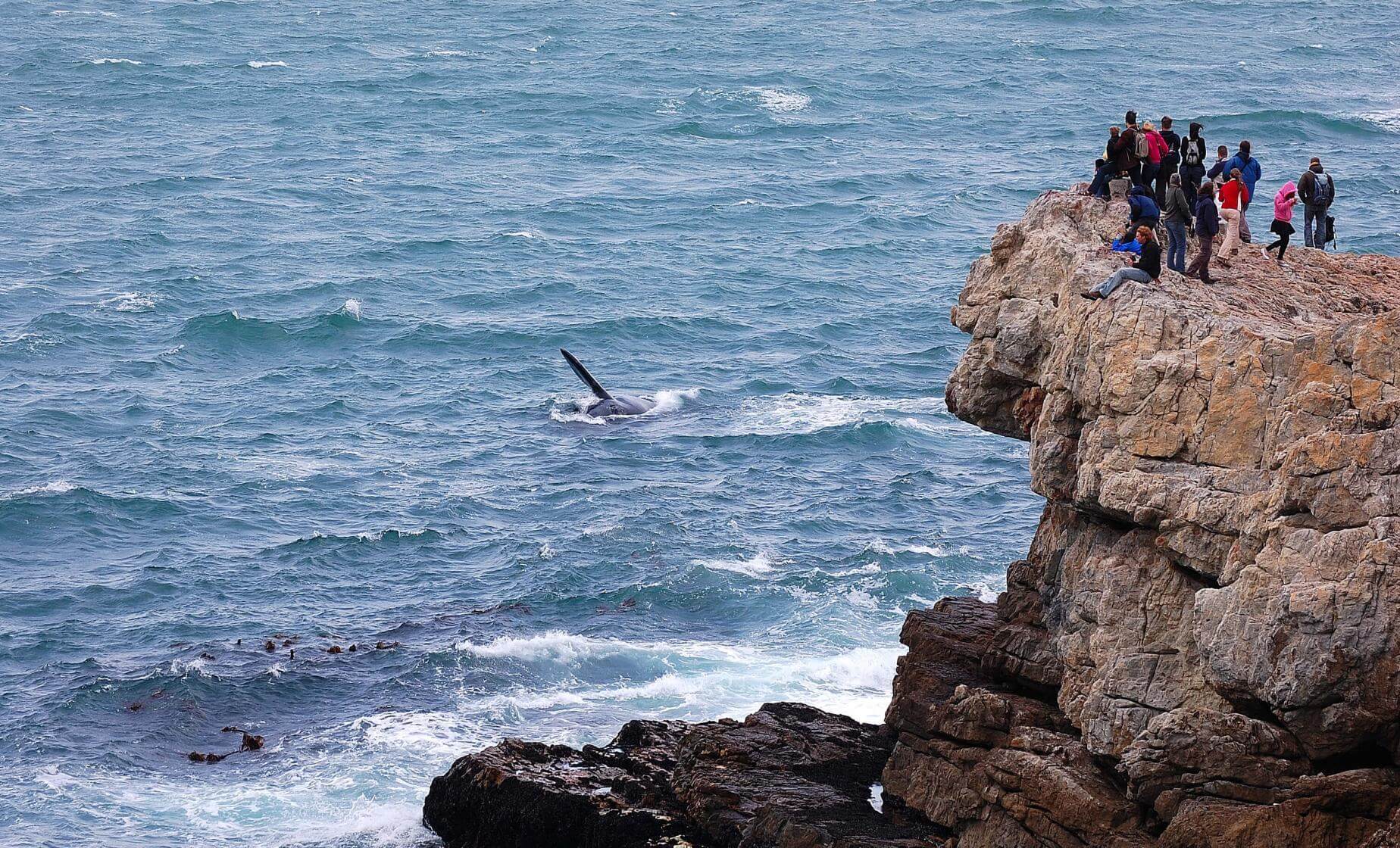
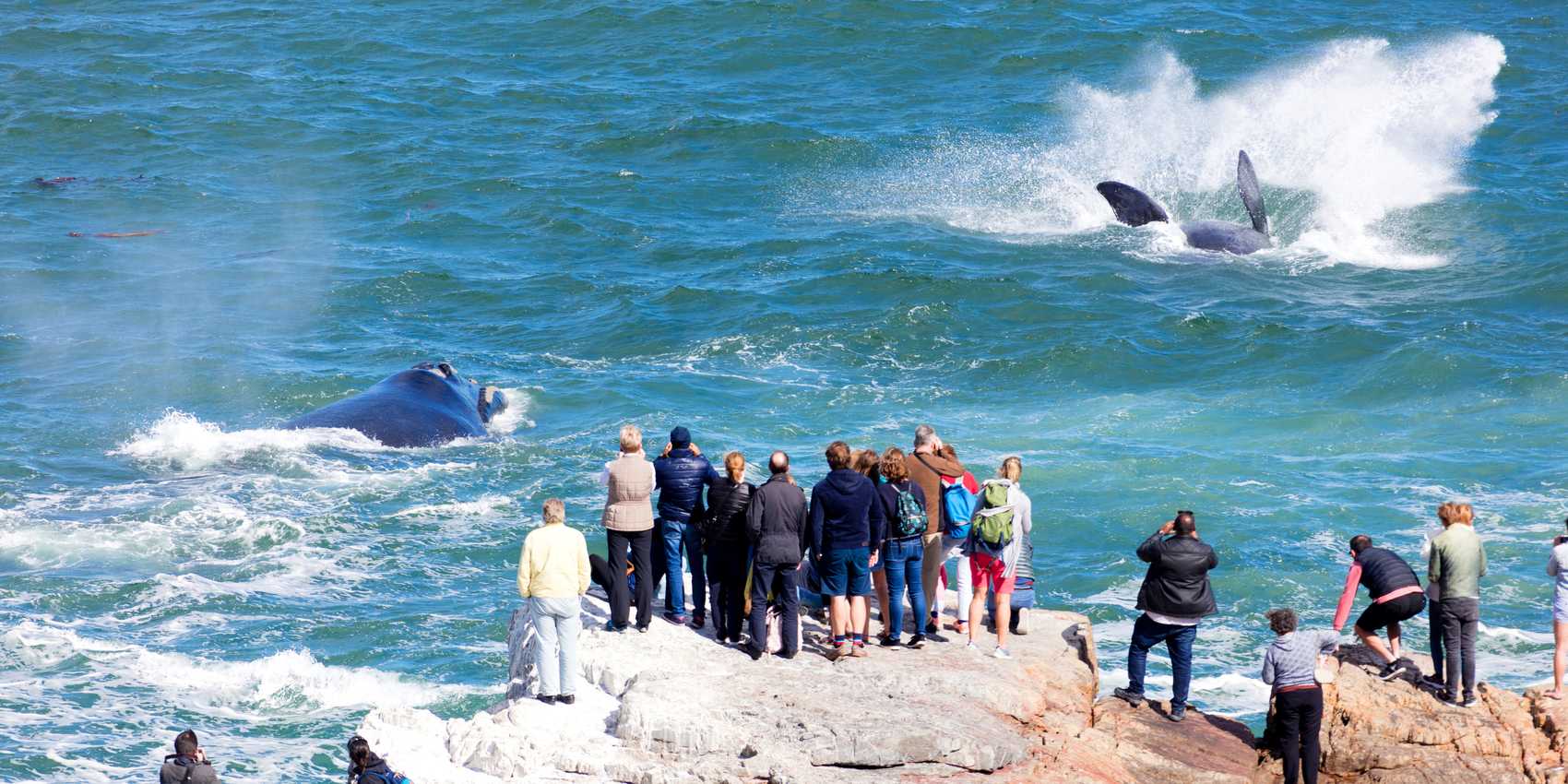
Stretching along the shoreline, this path offers elevated viewing platforms for land-based observation of the whales. It is an excellent free alternative for those not taking a boat.
The bay is a protected zone, home to various seals, dolphins, and diverse bird species alongside the whales. This ecosystem is a major focus for conservation education.
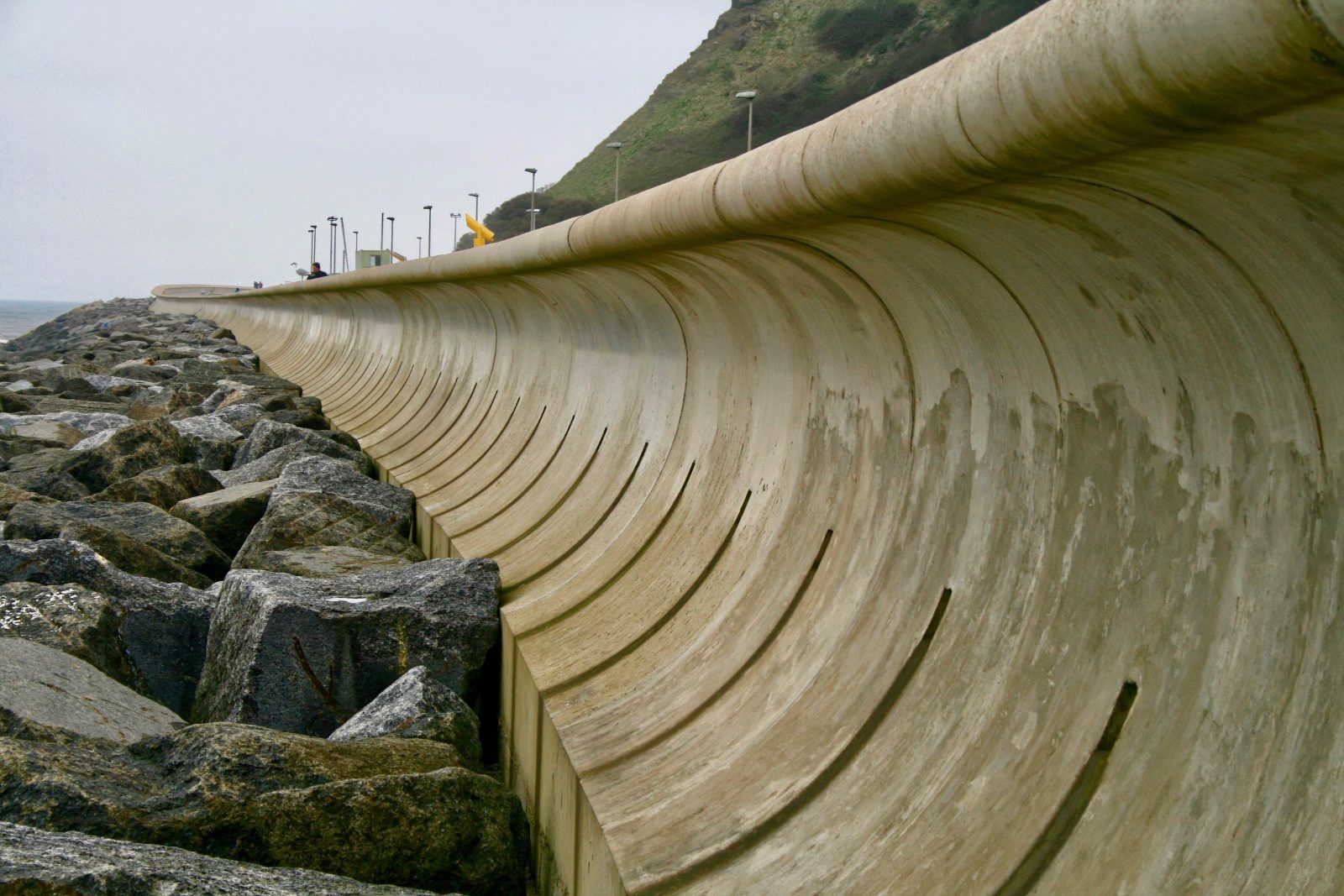
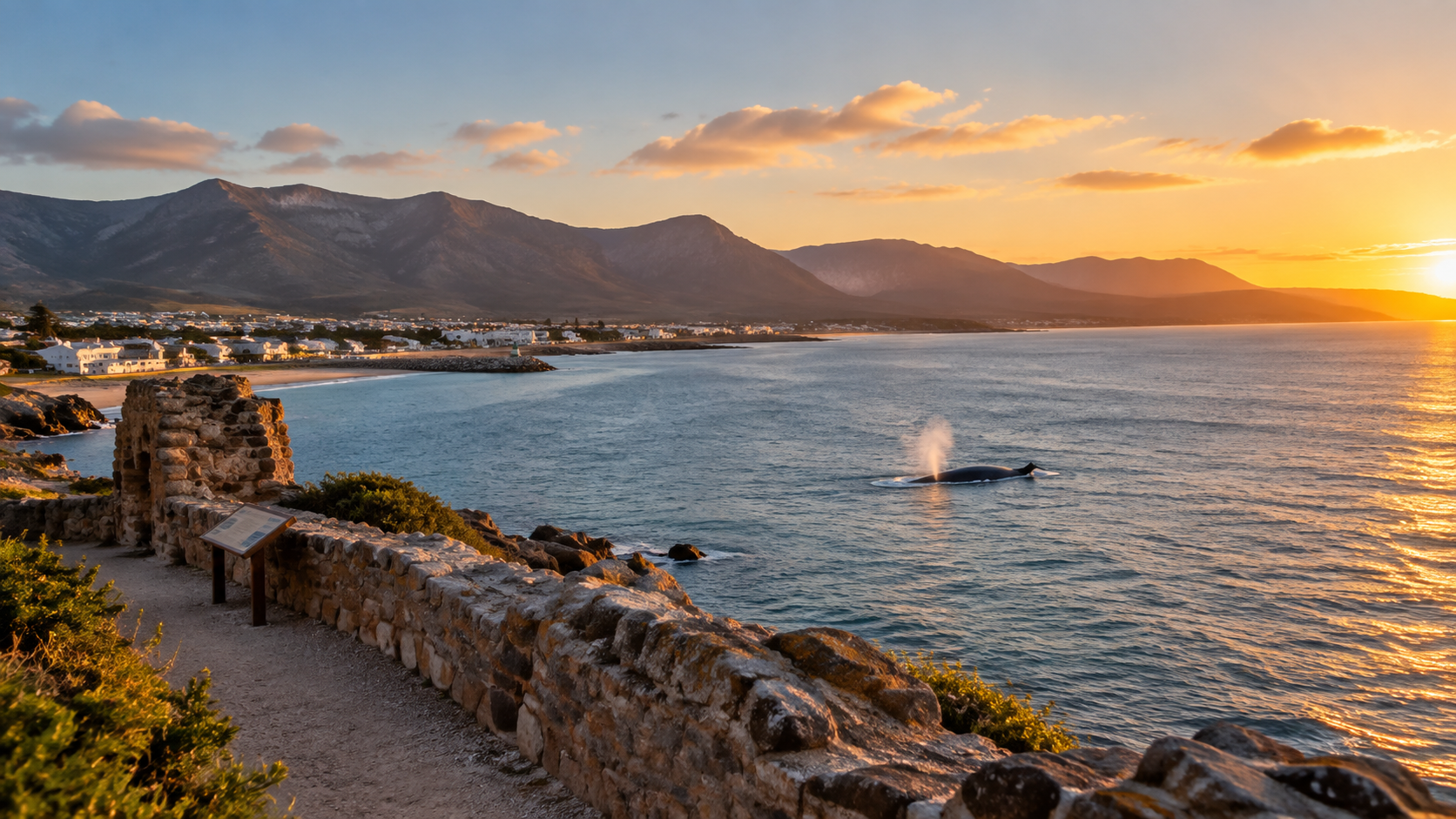
Built in the early 20th century, this stone wall defines the character of the site and provides shelter for vessels. It remains a historic landmark of the Hermanus coastline.
You meet your boat at New Harbour before 08:00, when the kelp beds are still glassy and the Overberg mountains hold their pre-dawn shadow.
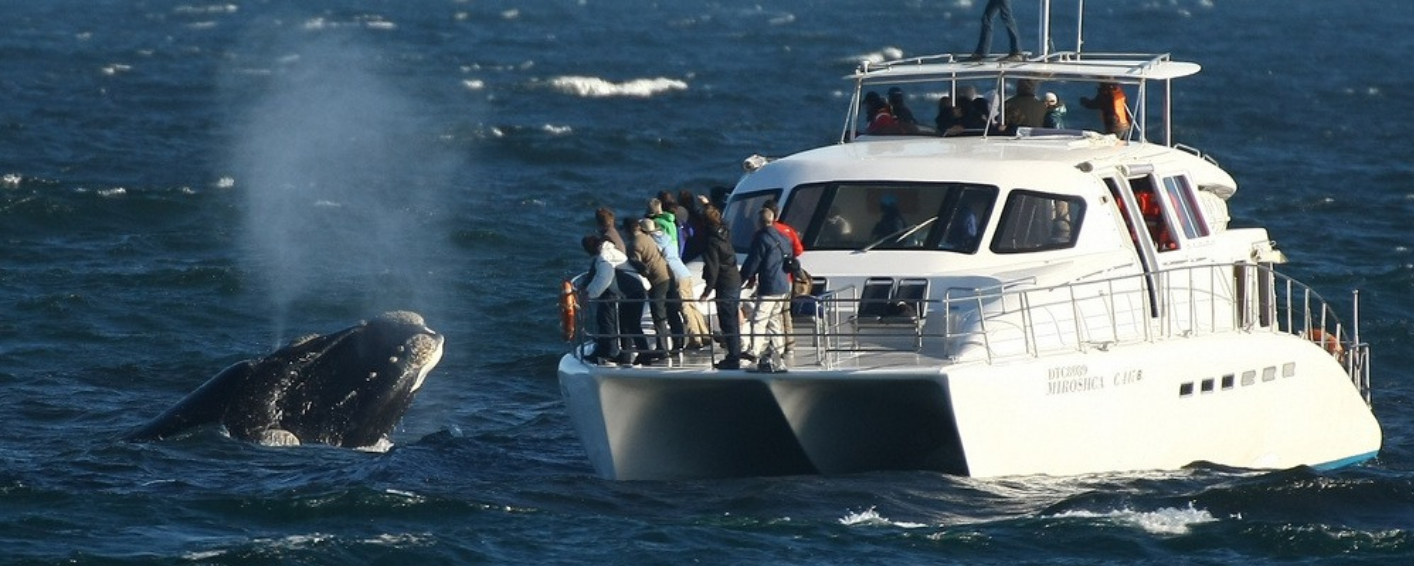
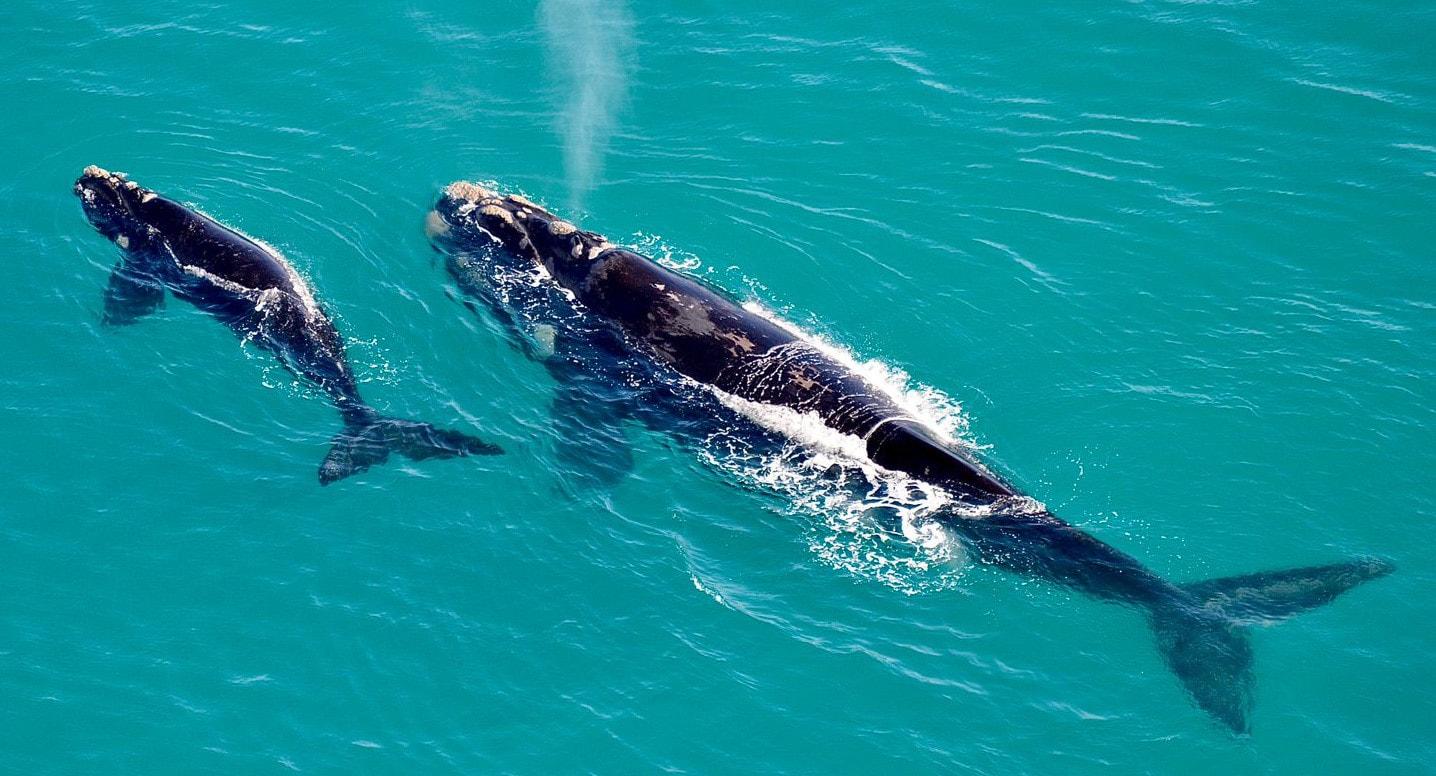
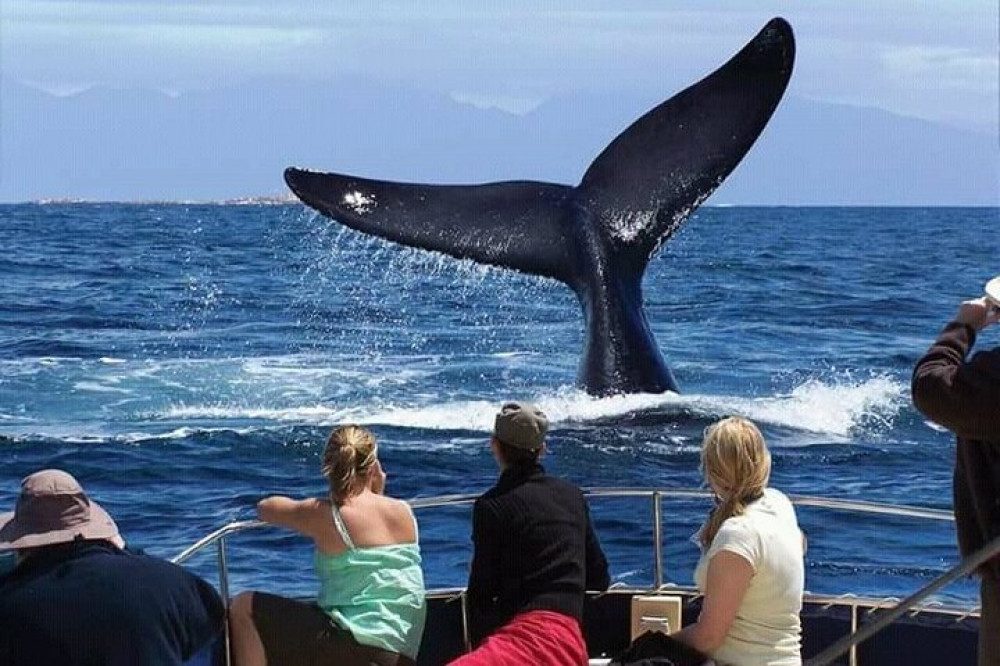
The skipper briefs you on sanctuary protocols—no sudden movements, no loud voices once the engines cut—and you push off into the channel between the Old Harbour cliffs and Voëlklip Beach. Within 15 minutes, the spotter calls the first blow: a plume of vapour 400 metres northwest, then a second, closer. The engine drops to idle. A cow and calf surface 50 metres off the port bow, the mother's back broad as a shipping container, the calf tight against her flank. She rolls, one white-calloused flipper breaking the surface, and you count three tonnes of marine mammal suspended in water so clear you see her belly.
The boat drifts. The calf breaches twice, a clumsy half-rotation that ends in a slap heard across the bay. Your guide notes the callosity pattern—unique as a fingerprint—and checks it against the regional sighting database. After 20 minutes, the pair sounds, flukes rising vertical before they dive, and the skipper motors west toward Danger Point, scanning for more blows. By 10:30 you've logged four separate sightings and returned to the harbour, salt-crusted and quiet, the morning light now full on the town's whitewashed cottages.
All the details about your upcoming adventure in one place
Southern right whales return to Walker Bay each winter not by accident but by ancient instinct—the sheltered waters between Hermanus and Gansbaai offer calving grounds warmer and calmer than the open Atlantic, a 200-kilometre nursery where mothers teach newborns to breach and spy-hop before the long migration south.
The species, hunted to near-extinction by 1935, now numbers over 2,000 in South African waters, and Walker Bay hosts the densest seasonal concentration on the planet. Between June and November, the cliff path above New Harbour records sightings on 19 out of every 20 days.
Hermanus earned its reputation as the world's premier land-based whale watching destination decades before boat tourism arrived. The town's unique topography—a rocky coastline that drops steeply into deep water—allows whales to approach within 30 metres of shore, close enough to hear exhalations and see barnacle patterns on their backs. The official Whale Crier, a position invented in 1992, still patrols the cliff paths with a kelp horn, announcing sightings in real time. Yet the introduction of commercial boat excursions in the early 2000s shifted visitor expectations. Whale watching Cape Town prices now reflect a spectrum of access: land-based viewing remains free, while boat departures from New Harbour range from two-hour coastal circuits to full-day combinations with penguin colonies at Betty's Bay or Stony Point.
Walker Bay's marine sanctuary regulations limit boat approaches to 300 metres and prohibit engine use within 50 metres of a whale, creating a market divided by operator compliance and vessel type. Rigid inflatables offer speed and manoeuvrability; larger catamarans provide stability for families and photographers. Pricing structures separate pure whale watching Cape Town prices tour packages—typically departing Hermanus at 09:00 and 12:00—from full-day itineraries originating in Cape Town, which bundle the 90-minute coastal drive with guided land time in Hermanus itself. Peak season demand, concentrated in September and October when cow-calf pairs are most active, drives dynamic pricing across all operators. The town's harbour infrastructure, expanded in 2018 to accommodate eight simultaneous departures, now processes over 40,000 annual boardings, yet morning slots still sell out weeks ahead during the annual Whale Festival.

Walker Bay hosts the densest seasonal concentration of southern right whales on the planet.
Wear warm, windproof layers and non-slip shoes as temperatures drop quickly at sea. A waterproof jacket is recommended for spray protection.
Keep baggage compact, as space on tour vessels is limited. Security checks may be performed at the harbour entrance.
Use a strap for all cameras and mobile devices to prevent loss at sea. Telephoto lenses are ideal for capturing marine life from a distance.
Children are welcome, provided they wear life jackets at all times. Ensure minors are supervised during all pier transitions.
The New Harbour area provides ground-level access to the piers. Please verify specific vessel boarding assistance with operators.
Small snacks and water are permitted on board. Alcohol is strictly prohibited for safety reasons.
Opening Hours
07:00–18:00
Address
New Harbour, Westcliff Road, Hermanus, 7200, South Africa
Facilities
Accessible harbour infrastructure
Best Arrival
07:00–10:00
Storage
Limited secure storage available
Navigation
Follow signage to Hermanus New Harbour
Car · 1.5 hours · Parking fees apply at harbour
Follow the N2 from Cape Town to Hermanus, taking the R43 exit
Taxi · 2 hours · Variable based on operator
Private shuttles available from Cape Town International Airport
Cancellations made 24 hours prior are eligible for a refund. No fees apply for land-based viewing, as it is 0 ZAR.
Recommended time
3-4 hours
Planning your excursion requires understanding that morning sea conditions are typically calmer, providing a better experience for boat excursions. Most visitors researching whale watching cape town prices find that arriving between 07:00–10:00 minimizes ocean swell impact, which can otherwise lead to longer transit times or schedule shifts. While land-based viewing is free, choosing commercial whale watching cape town prices tours ensures you reach deeper marine habitats where these giants congregate. If you opt for whale watching cape town prices tickets, allow extra time for check-in at the New Harbour to avoid missing your departure.
Crowd levels through the day
Weather · crowds · average price — dots go green to amber to red as each metric rises.
The peak month for whale watching cape town prices tickets, with frequent sightings.
High visibility remains as whales prepare for migration.
Final sightings often occur before the population departs for colder waters.
The primary season where coastal land-based viewing is excellent.
Check the daily sea conditions before booking your whale watching cape town prices tour.
Bring quality optics to enhance your whale watching cape town prices experience.
Secure your space for whale watching cape town prices tours during the peak September window.
Even on sunny days, ocean wind makes it cold for whale watching cape town prices participants.
If unsure about motion sickness, use the free cliff paths for whale watching cape town prices viewing.
Hermanus transformed from a quiet fishing village into South Africa's premier whale watching destination through a convergence of geography, conservation efforts, and entrepreneurial vision. In 1979, the town appointed the world's first Whale Crier—initially Pieter Claassen—to alert visitors when southern right whales appeared in Walker Bay. This theatrical innovation preceded the formal commercialization of whale watching cape town prices tours by nearly a decade, establishing Hermanus as a brand before boat operators recognized the economic potential. The Old Harbour Museum archives document that recreational whale watching began informally in the early 1980s when local fishermen offered ad-hoc excursions, but systematic pricing structures only emerged after 1991 when the first licensed tour operators launched scheduled departures from the New Harbour. The industry nearly collapsed in 1998 when drought reduced whale sightings and operators slashed whale watching cape town prices tickets to unsustainable levels, triggering a consolidation that left only three companies operating by 2000. Recovery accelerated after 2004 when marine biologists confirmed that Walker Bay's sheltered conditions and kelp forests created ideal calving grounds, facts operators leveraged to rebuild consumer confidence. By 2008, the Hermanus Whale Festival attracted over 130,000 visitors annually, and tour operators introduced tiered pricing models—basic two-hour excursions versus extended research-assisted voyages—that persist in current whale watching cape town prices tour structures. The 2010 FIFA World Cup brought international media attention, cementing Hermanus as a bucket-list destination and stabilizing commercial whale watching as a year-round industry despite the June-to-December peak season. Today's pricing architecture reflects decades of regulatory refinement, with permits capped at twelve operators to prevent overcrowding and mandatory observer training introduced in 2015. The New Harbour remains the operational hub where Westcliff Road meets the Atlantic, the same departure point used since 1991, though modern vessels now carry hydrophones and marine biologists as standard inclusions.
Hermanus appoints Pieter Claassen as the world's first Whale Crier to announce whale sightings.
Local fishermen begin informal whale watching excursions from the Old Harbour before commercial licensing.
First licensed tour operators launch scheduled departures from the New Harbour with structured pricing.
Drought-related reduced sightings trigger price wars and industry consolidation to three operators by 2000.
Marine research confirms Walker Bay's optimal calving conditions, revitalizing operator marketing strategies.
Hermanus Whale Festival draws 130,000 visitors; tiered pricing models introduced for basic and extended tours.
FIFA World Cup media coverage establishes Hermanus as an international whale watching destination.
Mandatory marine observer training implemented; operator permits capped at twelve to protect whale populations.
Position yourself near the stone wall remnants to frame the bay with the marine sanctuary in the background. This historic site provides elevation above the water for observing surface activity.
Follow the winding trail from the New Harbour toward Gearing’s Point for clear shots of the coastal waters. This path is essential for those analyzing whale watching cape town prices before committing to land-based observation.
Located at the center of the coastal walkway, this spot offers unobstructed views of the horizon where pods often congregate. Use a long lens to capture breach sequences against the natural backdrop of the Southern Atlantic.
This sheltered outlook near the center of town provides a stable platform for tracking whale movements throughout the day. Visitors interested in whale watching cape town prices tours often gather here to spot fins without heading out to sea.
A popular elevated lookout that allows for a wide-angle perspective of the bay. It is a preferred location for capturing the scale of the coastline in relation to the migratory marine life.
Navigating whale watching cape town prices requires considering the needs of young travelers, especially when deciding between boat excursions and land-based sightings. Choosing the right approach ensures a comfortable experience for your family at the New Harbour.
The New Harbour area is accessible, though boat decks can be tight; keeping strollers in your vehicle is recommended for whale watching cape town prices tours.
Land-based viewing is suitable for all ages, but boat trips often require children to be at least 5 years old for safety during whale watching cape town prices tour outings.
Public restrooms are available within the harbour precinct, offering basic changing facilities for families needing to refresh before or after whale watching cape town prices tickets sessions.
Young children often prefer the flexibility of land-based observation points, which allow you to leave whenever needed without the rigid schedule of a marine mammal spotting vessel.
Life jackets are mandatory for all children on boat excursions, and staff provide specific instructions to ensure secure seating during the search for southern right whales.
Visitors planning their trip around whale watching cape town prices will find convenient dining options located directly at the New Harbour and along the nearby coastline. While researching whale watching cape town prices tours, travelers often grab a meal at these venues to refuel after their maritime excursion.
Specializing in fresh local seafood, this restaurant offers a refined atmosphere perfect for post-tour reflection. It is situated in the historic center and provides a cozy environment for lunch or dinner.
Located directly at the New Harbour, this venue offers panoramic marine views while you compare whale watching cape town prices tickets. Their menu focuses on seasonal catches and traditional South African flavors suitable for a relaxed meal.
Carved into the cliffs, this unique dining spot is positioned near prime land-based vantage points. It serves as an ideal location for those seeking a drink or light snack while reviewing their whale watching cape town prices tour experience.
Everything you need to know for your journey
The harbour is open from 07:00–18:00 daily.
Commercial boat tours involve whale watching cape town prices tickets purchased through operators.
We recommend arriving between 07:00–10:00 for the calmest sea conditions.
Land-based viewing is free, while boat tours are separate commercial products.
The address is New Harbour, Westcliff Road, Hermanus, 7200, South Africa.
Yes, children are welcome on whale watching cape town prices tours provided they follow safety rules.
Photography is encouraged during whale watching cape town prices tours, but bring a strap.
Yes, limited parking is available at the New Harbour for whale watching cape town prices visitors.
Operators may reschedule whale watching cape town prices tours based on sea conditions.
A scenic walkway along the coast providing vantage points for whale watching cape town prices.
Historical exhibits documenting the heritage of the fishing village.
Extensive fynbos trails offering elevated ocean views.
A central public square overlooking the bay, famous for its whale-watching perspective.
Iconic heritage hotel overlooking the bay
Located directly adjacent to the New Harbour facility
Historic property with direct sea views
Various options available within the town center
Join thousands of happy travelers who have discovered this incredible experience
Book Your Experience Now